Slowed + Reverb Music App
Pdf New — Xy Magazine 1997
Resonance lets you transform your songs by adjusting speed, pitch, reverb, and EQ with fast, real-time control.
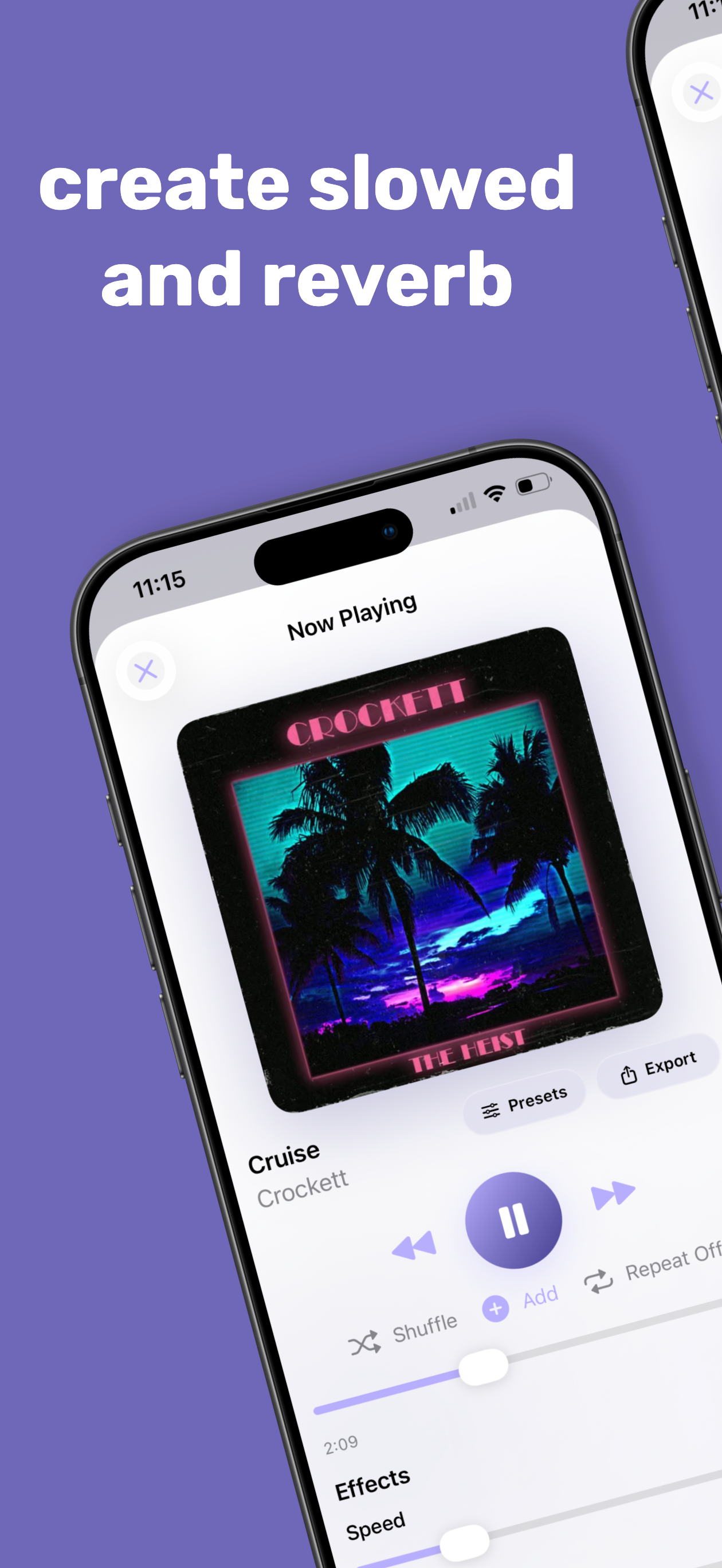
Resonance lets you transform your songs by adjusting speed, pitch, reverb, and EQ with fast, real-time control.
Digital archives of XY are sought after for several reasons:
Design and Photography: The 1997 issues featured a raw, lo-fi aesthetic that defined the late 90s. The photography was inclusive, showing real people rather than just professional models.
The disappearance of XY Magazine from newsstands in the late 2000s left a void in the media landscape. However, the resurgence of interest in its 1997 catalog proves that its message remains relevant. Whether you are a researcher looking for a PDF for academic purposes or someone who grew up with the magazine and wants to revisit those pages, these archives are essential.
Finding a high-quality PDF of 1997 issues offers a window into a world of transition. This was the year Ellen DeGeneres came out on national television, yet it was also a time when "Don’t Ask, Don’t Tell" was strictly enforced. The magazine captured this tension perfectly.
Political Context: XY wasn't afraid to be controversial. In 1997, they tackled issues like body image, HIV/AIDS education for youth, and the lack of representation in schools. The Quest for the XY Magazine 1997 PDF
The 1997 issues remind us that before there were apps and influencers, there was a magazine that told a generation of young men they weren't alone. Accessing these PDFs today isn't just about nostalgia; it’s about honoring the bravery of the writers and readers who built the foundation of today's queer community.
By 1997, XY Magazine had moved past its experimental phase and established itself as the definitive voice for young gay men. Founded by Peter Ian Cummings, the magazine broke the mold of traditional gay press. While other publications focused on the leather scene or high-fashion adult content, XY prioritized youth culture, political activism, and genuine storytelling.
XY Magazine: A Deep Dive into the 1997 Revolution of Queer Media
For collectors and historians, finding a "new" or high-resolution PDF scan is the goal. Because XY was printed on matte paper with specific ink densities, early digital scans from the 2000s were often grainy or unreadable. Recent efforts by digital archivists have focused on creating "new" scans—high-fidelity, OCR-enabled PDFs that allow users to search for specific text or names within the issues. Preserving Queer History
The 1997 issues were particularly notable for their "New Queer" aesthetic. They blended grunge-inspired photography with earnest, often heartbreaking letters from readers living in rural areas. This was the year XY solidified its reputation for "The XY Survival Guide," a series of articles that provided practical advice on coming out, staying safe, and finding community. Why the 1997 Archives Matter Today
Digital archives of XY are sought after for several reasons:
Design and Photography: The 1997 issues featured a raw, lo-fi aesthetic that defined the late 90s. The photography was inclusive, showing real people rather than just professional models.
The disappearance of XY Magazine from newsstands in the late 2000s left a void in the media landscape. However, the resurgence of interest in its 1997 catalog proves that its message remains relevant. Whether you are a researcher looking for a PDF for academic purposes or someone who grew up with the magazine and wants to revisit those pages, these archives are essential. xy magazine 1997 pdf new
Finding a high-quality PDF of 1997 issues offers a window into a world of transition. This was the year Ellen DeGeneres came out on national television, yet it was also a time when "Don’t Ask, Don’t Tell" was strictly enforced. The magazine captured this tension perfectly.
Political Context: XY wasn't afraid to be controversial. In 1997, they tackled issues like body image, HIV/AIDS education for youth, and the lack of representation in schools. The Quest for the XY Magazine 1997 PDF Digital archives of XY are sought after for
The 1997 issues remind us that before there were apps and influencers, there was a magazine that told a generation of young men they weren't alone. Accessing these PDFs today isn't just about nostalgia; it’s about honoring the bravery of the writers and readers who built the foundation of today's queer community.
By 1997, XY Magazine had moved past its experimental phase and established itself as the definitive voice for young gay men. Founded by Peter Ian Cummings, the magazine broke the mold of traditional gay press. While other publications focused on the leather scene or high-fashion adult content, XY prioritized youth culture, political activism, and genuine storytelling. However, the resurgence of interest in its 1997
XY Magazine: A Deep Dive into the 1997 Revolution of Queer Media
For collectors and historians, finding a "new" or high-resolution PDF scan is the goal. Because XY was printed on matte paper with specific ink densities, early digital scans from the 2000s were often grainy or unreadable. Recent efforts by digital archivists have focused on creating "new" scans—high-fidelity, OCR-enabled PDFs that allow users to search for specific text or names within the issues. Preserving Queer History
The 1997 issues were particularly notable for their "New Queer" aesthetic. They blended grunge-inspired photography with earnest, often heartbreaking letters from readers living in rural areas. This was the year XY solidified its reputation for "The XY Survival Guide," a series of articles that provided practical advice on coming out, staying safe, and finding community. Why the 1997 Archives Matter Today
A larger canvas with the same focused tools and clean creative workflow. Tap any screenshot to view full size.
Whether you are experimenting or building a signature style, Resonance Pro gives you powerful tools in a simple workflow.
Resonance keeps your workflow consistent across devices while staying focused on fast music editing.
Shape your slowed and reverb sound in minutes with a clean, powerful workflow.