

Taboo Little Innocent Verified May 2026

The "taboo little innocent" keyword is more than just a trend; it’s a reflection of our collective fascination with the dualities of the human experience. Whether expressed through a lace ribbon or a complex character arc, it continues to challenge our perceptions of what is "proper" and what is "forbidden."

Using an "innocent" lens to expose the "taboo" or corrupt nature of the society surrounding the character. 4. Navigating the Modern Digital Landscape

From classic literature to modern streaming hits, the "taboo little innocent" archetype is a powerful storytelling tool. Characters who appear wide-eyed and naive but possess hidden depths or engage in "forbidden" behaviors are often the most compelling. This trope is frequently used to: taboo little innocent

Fashion historians note that this is a form of . It uses the visual language of the past to comment on the complexities of modern identity, proving that one can be multifaceted—both soft and strong, traditional and transgressive. 3. Media and Literary Tropes

The phrase occupies a complex space in contemporary culture, sitting at the intersection of psychology, fashion, media, and social commentary. It represents a deliberate contrast—a "juxtaposition of opposites" that plays on the tension between perceived purity and the exploration of forbidden or unconventional themes. The "taboo little innocent" keyword is more than

Psychologically, this often represents a desire to reclaim agency. By adopting an aesthetic that appears "innocent" while engaging in "taboo" self-expression, individuals often feel they are subverting expectations and asserting control over how they are perceived by the world. 2. Fashion and the "Coquette" Evolution

Digital creators use these themes to explore and alternative lifestyles. It’s a way of signaling a specific vibe—one that values the aesthetic beauty of the "innocent" while remaining firmly rooted in "taboo" or counter-culture ideologies. It is about the "aestheticization of the forbidden," turning complex social boundaries into a visual language. 5. Why It Persists It uses the visual language of the past

By embracing the "taboo" within the "innocent," culture finds a way to bridge the gap between who we are told to be and who we actually are. It reminds us that humanity isn't binary—we are all a mix of the light we show the world and the "taboo" complexities we keep beneath the surface.


디스플레이 어댑터

모든 USB™ 포트를 외부 비디오 출력으로 변환

USB™ 허브

휴대가 간편한 휴대용 도킹 스테이션

도킹 스테이션

워크스테이션 생산성 향상을 위한 추가 포트

네트워크 어댑터

네트워크 확장을 위한 USB™ 어댑터 

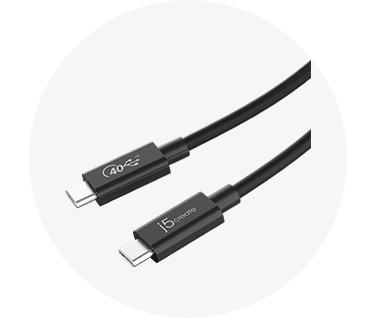
케이블

어떠한 장치와도 연결

충전기

가장 빠른 충전 속도

내구성이 뛰어난 알루미늄 다양한 포트 확장

아이패드 프로®와 아이패드 에어®를 지원 설계

아이패드 프로®를 위한 특별한 설계

비디오와 오디오, 파일전송, 카드리더를 한꺼번에

The "taboo little innocent" keyword is more than just a trend; it’s a reflection of our collective fascination with the dualities of the human experience. Whether expressed through a lace ribbon or a complex character arc, it continues to challenge our perceptions of what is "proper" and what is "forbidden."

Using an "innocent" lens to expose the "taboo" or corrupt nature of the society surrounding the character. 4. Navigating the Modern Digital Landscape

From classic literature to modern streaming hits, the "taboo little innocent" archetype is a powerful storytelling tool. Characters who appear wide-eyed and naive but possess hidden depths or engage in "forbidden" behaviors are often the most compelling. This trope is frequently used to:

Fashion historians note that this is a form of . It uses the visual language of the past to comment on the complexities of modern identity, proving that one can be multifaceted—both soft and strong, traditional and transgressive. 3. Media and Literary Tropes

The phrase occupies a complex space in contemporary culture, sitting at the intersection of psychology, fashion, media, and social commentary. It represents a deliberate contrast—a "juxtaposition of opposites" that plays on the tension between perceived purity and the exploration of forbidden or unconventional themes.

Psychologically, this often represents a desire to reclaim agency. By adopting an aesthetic that appears "innocent" while engaging in "taboo" self-expression, individuals often feel they are subverting expectations and asserting control over how they are perceived by the world. 2. Fashion and the "Coquette" Evolution

Digital creators use these themes to explore and alternative lifestyles. It’s a way of signaling a specific vibe—one that values the aesthetic beauty of the "innocent" while remaining firmly rooted in "taboo" or counter-culture ideologies. It is about the "aestheticization of the forbidden," turning complex social boundaries into a visual language. 5. Why It Persists

By embracing the "taboo" within the "innocent," culture finds a way to bridge the gap between who we are told to be and who we actually are. It reminds us that humanity isn't binary—we are all a mix of the light we show the world and the "taboo" complexities we keep beneath the surface.



상호명 : 주식회사 이수 인터내셔널 커머스

대표자 : 김세민, 김상범

주소 : 16016 경기도 의왕시 바라산로 1, 1층(학의동)

사업자등록번호 : 826-85-02921 [사업자정보확인]

통신판매업신고번호 : 제 2024-서울서초-4303 호

전화번호 : 02-711-9275

구매/배송문의 : 070-7711-5648

기술지원 AS : 1644-9688

대량매입/견적문의 : online