|
X11-Basic BASIC interpreter/compiler for UNIX(c) 1991-2022 |
 |
Version 1.28
sources:
codeberg
github
|
|
X11-Basic BASIC interpreter/compiler for UNIX(c) 1991-2022 |
|
Version 1.28
sources:
codeberg
github
|
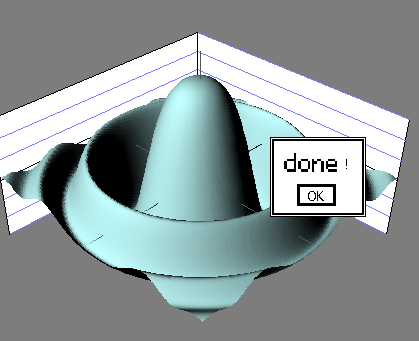 X11-Basic is a dialect of the BASIC programming language with graphics, sound and more.
The syntax is most similar to GFA-Basic on the ATARI-ST. It is a structured dialect with no line numbers. X11-Basic supports complex numbers, big integers and big integer arithmetrics.
X11-Basic is available for UNIX workstations, Linux, Android, MAC-OSX, as well as for MS-WINDOWS. It is also available for the ATARI ST, TomTom car navigation systems and the Raspberry Pi.
A BASIC compiler is included so that you can make stand-alone binaries out of your programs (on all platforms except for Android). The X11-Basic interpreter is fast and small.
Most operating systems still rely on a few universal shortcuts to reload content instantly.
: These devices often feature a dedicated Refresh key in the top row, depicted by a circular arrow (⟳). This key usually occupies the same physical position as the F3 key on standard layouts. 2. The "Hard Refresh" and Advanced Shortcuts keyboard refresh key new
For decades, the "refresh" action has been a staple of digital life, whether you’re waiting for a webpage to update or troubleshooting a frozen folder. While the classic key remains the industry standard, modern hardware and software updates have introduced new ways to "refresh" your experience. 1. The Standard Refresh Keys Most operating systems still rely on a few
Sometimes a simple refresh isn't enough because your browser might be loading "cached" data rather than new information from the server. Keyboard shortcuts in Windows - Microsoft Support If you are on a laptop
: The F5 key is the most direct refresh shortcut. If you are on a laptop, you may need to press Fn + F5 depending on your function key settings.