In the context of the original keyword, it's essential to remember that every individual is unique, and what makes someone attractive is subjective. Rather than focusing on specific physical characteristics, we should strive to develop a positive and confident personality that shines through in our interactions with others.

In the context of relationships, confidence can play a crucial role in building trust, intimacy, and connection with others. When we feel confident in ourselves and our abilities, we are more likely to form deeper and more meaningful relationships.

Beauty standards vary across cultures, historical periods, and individual perspectives. What one person finds attractive may not be the same for another. In some cultures, a curvy figure is considered a symbol of beauty and fertility, while in others, a slender physique is preferred. The media and social media platforms often perpetuate certain beauty standards, showcasing models, celebrities, and influencers with specific physical characteristics.

Self-acceptance is a critical component of confidence and attraction. When we accept ourselves for who we are, flaws and all, we are more likely to feel comfortable in our own skin. This self-acceptance can translate to other areas of our lives, including our relationships and interactions with others.

In today's society, the concept of beauty and attraction is complex and multifaceted. People have different preferences when it comes to physical appearance, personality, and other characteristics that make someone attractive. The phrase "hzgd233 dipuasin istri cantik berdada besar akame reiran exclusive" seems to be related to a specific individual or content that is popular in certain circles, but for the purpose of this article, we will focus on exploring the broader topic of beauty, attraction, and confidence.


Top Consulting Firm 2025
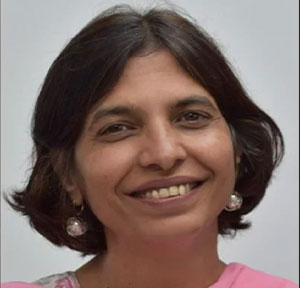
Anand Roop

Anandroop Bahadur

Group Head – Human Resources

Expertise

Human Resource Expertise, HR Strategy, Oragnisational Design, Talent & Leadership Development, Policy Governance

Anandroop Bahadur is a seasoned HR leader and strategic advisor with nearly two decades of experience across the development, consulting, and social impact ecosystem. She brings a strong blend of deep technical HR expertise, organizational design acumen, and a people-centric ethos to her work.

At IPE Global, Anandroop leads the Group Human Resources function across IPE Global and its associated entities, including Triple Line Consulting and IPE Africa. Her focus is on strengthening organizational foundations, enabling leadership effectiveness, and building scalable people systems aligned with the organisation’s global growth ambitions. Her remit spans HR strategy, organizational design, talent and leadership development, compensation and performance frameworks, policy governance, safeguarding, and culture integration across geographies.

Over the course of her career, Anandroop has held senior HR leadership and consulting roles with organisations such as Clinton Health Access Initiative (CHAI), Ford Foundation, NASSCOM Foundation, Central Square Foundation, Amity Education Group, and other international institutions. She has advised leadership teams and boards through periods of scale, transition, and transformation, and has led HR operations in high-growth, high-complexity environments.

She holds an Executive Degree in Human Resources from XLRI Jamshedpur and is a SHRM–SCP (Senior Certified Professional), reflecting her grounding in global HR standards and best practices. She has also completed advanced executive and leadership programmes, including training in coaching and organisational transformation, and is an ICF-trained executive coach, currently working towards her ACC credential.


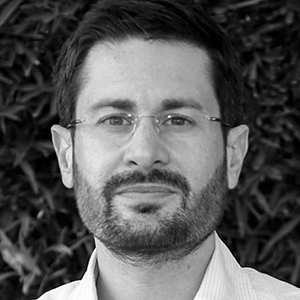
Nikos Papachristodoulou

Nikos Papachristodoulou

Director

Expertise

Urban, Infrastructure, Disaster and Climate Resilience, Inclusive Growth

Nikos has expertise in urban and regional economic development, infrastructure, disaster and climate resilience, and inclusive growth. He oversees and manages projects for Triple Line’s cities and infrastructure portfolio.

Nikos is an urban specialist, with principal areas of expertise in urban and regional economic development, infrastructure, disaster and climate resilience, and inclusive growth. Over the past 12 years he has worked for a range of clients including the World Bank, FCDO, EU, USAID, Cities Alliance, Global Green Growth Institute (GGGI), Norwegian Refugee Council (NRC), and local authorities.

Nikos’s work has incorporated the full spectrum of the project cycle, from analytics and programme scoping and design, through implementation, and evaluation and learning.

He has a high level of familiarity with HMG business cases and ODA eligibility criteria having led and supported the development of FCDO’s urbanisation strategy and options for future investments in Somalia’s cities, Prosperity Fund Global Future Cities Programme (GFCP) scoping in Nigeria, and the development of the business case for an urban resilience programme in Tanzania.

Nikos also brings excellent understanding of World Bank latest trends and procedures as a result of his involvement in a number of analytics and technical assistance projects, including on informal settlements upgrading in Mogadishu, climate change adaptation planning in Latin American and Caribbean cities, assessment of the climate resilience of Dar es Salaam’s transport infrastructure, spatial development in Nigeria, and preparation of a handbook on integrated urban flood risk management.

Nikos holds a BSc in Economics from the University of Piraeus and an MSc in Social Development Practice from the Development Planning Unit at University College London (UCL).


Hzgd233 Dipuasin Istri Cantik Berdada Besar Akame Reiran Exclusive [ Windows ]

In the context of the original keyword, it's essential to remember that every individual is unique, and what makes someone attractive is subjective. Rather than focusing on specific physical characteristics, we should strive to develop a positive and confident personality that shines through in our interactions with others.

In the context of relationships, confidence can play a crucial role in building trust, intimacy, and connection with others. When we feel confident in ourselves and our abilities, we are more likely to form deeper and more meaningful relationships.

Beauty standards vary across cultures, historical periods, and individual perspectives. What one person finds attractive may not be the same for another. In some cultures, a curvy figure is considered a symbol of beauty and fertility, while in others, a slender physique is preferred. The media and social media platforms often perpetuate certain beauty standards, showcasing models, celebrities, and influencers with specific physical characteristics.

Self-acceptance is a critical component of confidence and attraction. When we accept ourselves for who we are, flaws and all, we are more likely to feel comfortable in our own skin. This self-acceptance can translate to other areas of our lives, including our relationships and interactions with others.

In today's society, the concept of beauty and attraction is complex and multifaceted. People have different preferences when it comes to physical appearance, personality, and other characteristics that make someone attractive. The phrase "hzgd233 dipuasin istri cantik berdada besar akame reiran exclusive" seems to be related to a specific individual or content that is popular in certain circles, but for the purpose of this article, we will focus on exploring the broader topic of beauty, attraction, and confidence.
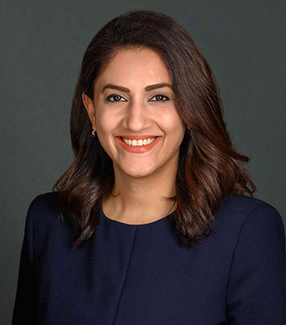
Ms Arti Ahuja

Arti Ahuja

Director

Retired from the Indian Administrative Services, Ms Ahuja has over 34 years of experience in administration, policy formulation, project management, and leadership across the public sector. Her expertise spans health systems, nutrition, women’s workforce participation, vulnerable populations, petrochemicals, and social sector programs. She has held several senior positions in the Government of India, including Secretary, Ministry of Labour and Employment, where she led reforms to strengthen worker welfare and represented India at the G20 Employment Working Group; Secretary, Ministry of Chemicals and Petrochemicals, where she initiated the Production Linked Incentive (PLI) scheme; and Secretary, Women & Child Development, where she directed large-scale nutrition and empowerment initiatives, strengthening the Integrated Child Development Services (ICDS). As Secretary of Health, Government of India she played a pivotal role in India’s COVID-19 response, launched the National Digital Health Mission, and advanced national programs on TB and AIDS control. She continues to advise on gender, climate change, and nutrition, contributes to national and international publications, and teaches public policy and nutrition at leading academic institutions. She holds a Master’s degree in Public Health from the Harvard School of Public Health; Master’s in Public Policy from Princeton University; Master’s in Economics (Gold Medallist) from Panjab University, and is a Bachelor of Law from the University of Delhi.

LIFE AT IPE

Learning &
Development (L&D)

We inspire people to be better.

Our intuitive and personalised programmes provide clear path for growth, leadership development, and help people sharpen their skills.

0 %
People trained in last 3 years
0 %
Participation in L&D Initiatives in 2025

Your journey starts from Day One….

hzgd233 dipuasin istri cantik berdada besar akame reiran exclusive

Structured Onboarding

Helps align expectations and lays the foundation for your success

hzgd233 dipuasin istri cantik berdada besar akame reiran exclusive

New Hire Training

Makes you familiar with the organisation; helps you settle down in a new work environment

hzgd233 dipuasin istri cantik berdada besar akame reiran exclusive

Customized L&D Platform

Helps upskill at your own pace through continuous learning and training programmes

hzgd233 dipuasin istri cantik berdada besar akame reiran exclusive

Linkage with
Performance Management

Aligns resources and training needs based on your skill set

Learning is not always a formal process. We also align our organisation values to a culture of learning