Havok Sdk 2010 2.0-r1 [portable] ✰
The SDK was particularly favored by developers for its capabilities, which utilized advanced caching techniques to make simulations over two times faster by automatically "sleeping" inactive rigid bodies. Major Games and Industry Impact
Released just a year prior in 2009, this module provided advanced pathfinding and navigation mesh generation.
The represents a pivotal moment in the history of game physics middleware. Released during a time when the gaming industry was transitioning toward more complex, open-world environments and high-fidelity character interactions, this specific version of the Havok Physics engine became a cornerstone for some of the most iconic titles of the Seventh Console Generation (PS3, Xbox 360, and Wii). Technical Significance and Core Modules
Tools specifically designed for garment simulation and destructible environments that reacted realistically to player impact. Performance and Reliability
One of the defining traits of the 2010-era SDK was its focus on . Unlike previous iterations that often resulted in "floaty" or unrealistic ragdoll effects—frequently mocked as the "dead-body feel"—the 2.0 series introduced refined solvers that allowed for stable stacking of bodies and more cinematic, fun-focused physics.
Formerly known as Havok Behavior, it allowed for sophisticated character movement control and walk cycles.
The influence of this SDK can be seen in the credits of numerous AAA titles. Notable games released around 2010 that utilized Havok technology include: Amazing Havok Physics Engine Demo at IDF 2010
By 2010, Havok had matured from a simple rigid-body simulator into a comprehensive suite of tools. The 2010 2.0-r1 release offered developers a highly optimized, multi-platform environment that could scale from mobile devices like the Sony Xperia Play to high-end PCs and consoles. Key modules included in this era's SDK were:
The flagship module for real-time collision detection and 3D dynamics.
The Legacy of Havok SDK 2010 2.0-r1: Powering a Golden Age of Gaming
Similar Design
j000012d
cncdesignerclub.com
dxf jali-pattern
0
jali1
cncdesignerclub.com
dxf jali-pattern
0
j2d00001
cncdesignerclub.com
dxf jali-pattern
0
jali000003
cncdesignerclub.com
dxf jali-pattern
1
jali00004
cncdesignerclub.com
dxf jali-pattern
2
See All
Welcome to our website! We provide expert services in CNC machining, utilizing advanced
technologies like Computer
Numerical Control (CNC). Our team excels in working with various file formats, including DXF and RLF. DXF, a
versatile vector format,
ensures seamless data exchange between different software programs, enabling precise 2D representations. On the
other hand, RLF, specific to ArtCAM software,
caters to 3D relief carving needs. With our expertise and proficiency in CNC machining and file
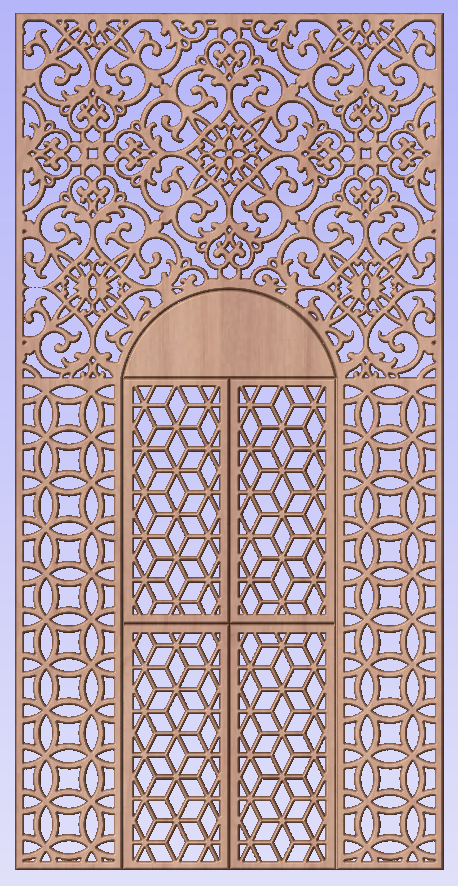
jali design, pattern, door design, almirah design, wardrobe design, plasma cutting
Havok Sdk 2010 2.0-r1 [portable] ✰
The SDK was particularly favored by developers for its capabilities, which utilized advanced caching techniques to make simulations over two times faster by automatically "sleeping" inactive rigid bodies. Major Games and Industry Impact
Released just a year prior in 2009, this module provided advanced pathfinding and navigation mesh generation.
The represents a pivotal moment in the history of game physics middleware. Released during a time when the gaming industry was transitioning toward more complex, open-world environments and high-fidelity character interactions, this specific version of the Havok Physics engine became a cornerstone for some of the most iconic titles of the Seventh Console Generation (PS3, Xbox 360, and Wii). Technical Significance and Core Modules
Tools specifically designed for garment simulation and destructible environments that reacted realistically to player impact. Performance and Reliability
One of the defining traits of the 2010-era SDK was its focus on . Unlike previous iterations that often resulted in "floaty" or unrealistic ragdoll effects—frequently mocked as the "dead-body feel"—the 2.0 series introduced refined solvers that allowed for stable stacking of bodies and more cinematic, fun-focused physics.
Formerly known as Havok Behavior, it allowed for sophisticated character movement control and walk cycles.
The influence of this SDK can be seen in the credits of numerous AAA titles. Notable games released around 2010 that utilized Havok technology include: Amazing Havok Physics Engine Demo at IDF 2010
By 2010, Havok had matured from a simple rigid-body simulator into a comprehensive suite of tools. The 2010 2.0-r1 release offered developers a highly optimized, multi-platform environment that could scale from mobile devices like the Sony Xperia Play to high-end PCs and consoles. Key modules included in this era's SDK were:
The flagship module for real-time collision detection and 3D dynamics.
The Legacy of Havok SDK 2010 2.0-r1: Powering a Golden Age of Gaming
Cncdesigner Club-passionate for design
Cnc Designer club-passionate for design