





Desi Doodh Wali -

Please visit this URL to review a list of supported browsers.

Desi Doodh Wali -

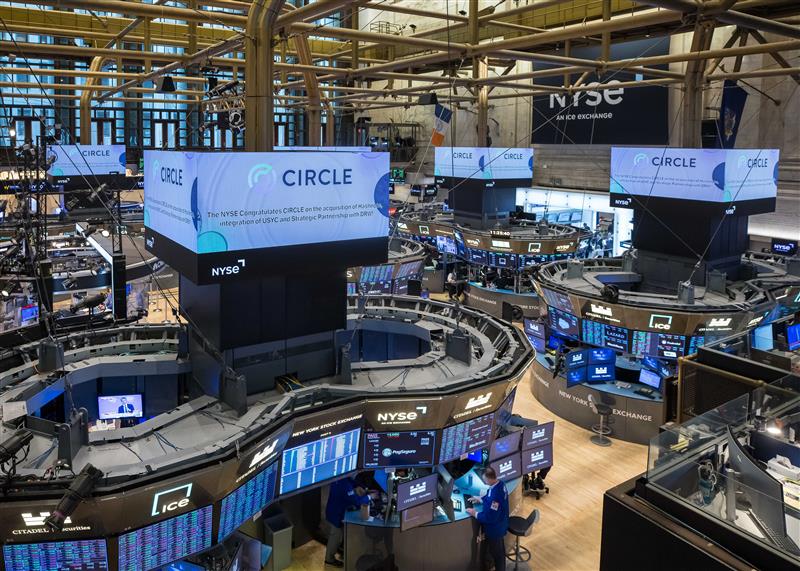
The New York Stock Exchange leads with seven of the 10 largest IPOs in 2025, paves way for digital currency public market debuts

Learn more

Desi Doodh Wali -

#

The NYSE is capitalism at its best, the belief that free and fair markets offer every individual the chance to benefit from success.


We set the standard with our unparalleled trading platform, enabling entrepreneurs, innovators, and investors to raise the capital they need to change the world. We want to share our vision for good governance, transparency, and trust with our listed community, furthering the responsible development of global business. You work too hard to list anywhere else.


Learn more

desi doodh wali
desi doodh wali desi doodh wali desi doodh wali desi doodh wali desi doodh wali desi doodh wali desi doodh wali desi doodh wali desi doodh wali desi doodh wali

Today’s Stock Market

One of the primary reasons people continue to seek out their local doodh wali is the promise of "desi" quality. In the South Asian context, "desi" implies something indigenous, organic, and untouched by industrial processing. When a household buys milk directly from a doodh wali, they are often looking for raw, whole milk—rich in cream and free from the homogenization and long-term preservatives found in commercial brands. This milk is prized for making traditional staples like thick curd (dahi), grainy clarified butter (desi ghee), and soft paneer, which never quite turn out the same with factory-processed milk.

Ultimately, the desi doodh wali is a guardian of a vanishing way of life. She represents a bridge between the village and the city, ensuring that even in the heart of a bustling metropolis, the taste of pure, farmhouse milk remains accessible. Her role is a testament to the enduring power of local traditions in an increasingly globalized world.

In recent years, there has been a resurgence of interest in traditional dairy. As health-conscious consumers move away from highly processed foods, the demand for farm-to-table products has grown. The "desi doodh wali" fits perfectly into this movement. People are willing to pay a premium for milk that comes from grass-fed cattle and is delivered within hours of milking.

The term "desi doodh wali" literally translates to "local milkwoman." These women are often the backbone of the rural and semi-urban dairy economy. Every morning and evening, they can be seen navigating narrow lanes, often with heavy metallic milk cans (dhols) balanced on their bicycles or carried by hand. This labor-intensive profession is more than just a delivery service; it is a specialized trade that requires deep knowledge of cattle health, seasonal milk yields, and the delicate art of maintaining freshness in a tropical climate.

The relationship between a family and their doodh wali is built on years of trust. Unlike the anonymity of a retail store, this is a personal bond. The milkwoman often knows the specific preferences of her customers—who needs extra cream for their morning chai and who prefers a leaner yield. In many neighborhoods, she is a familiar face who shares local news and becomes an extension of the community fabric.

The concept of the "desi doodh wali" is a timeless fixture of South Asian culture, representing a tradition of freshness, health, and community connection that has persisted for centuries. While modern supermarkets are filled with processed cartons and tetra packs, the presence of the traditional milkwoman remains a symbol of purity and a direct link to the pastoral roots of the Indian subcontinent.

However, the life of a desi doodh wali is far from easy. It involves grueling physical labor, starting long before dawn. They must manage the feeding and milking of buffaloes or cows, ensure the hygiene of their equipment, and then transport the milk quickly to ensure it doesn't spoil. Despite the rise of massive dairy cooperatives and app-based delivery startups, these women have carved out a niche by offering a level of freshness and personalization that technology cannot easily replicate.

Weekly market recap


Catch equity highlights and market-moving news.

READ NOW

2026 Q1 earnings preview


Seeing through the smoke.

READ NOW

2026 trading calendar


Holidays and other market related events.

READ NOW

Market data delayed minimum of 15 minutes

What's next [fade-up]

What’s next?


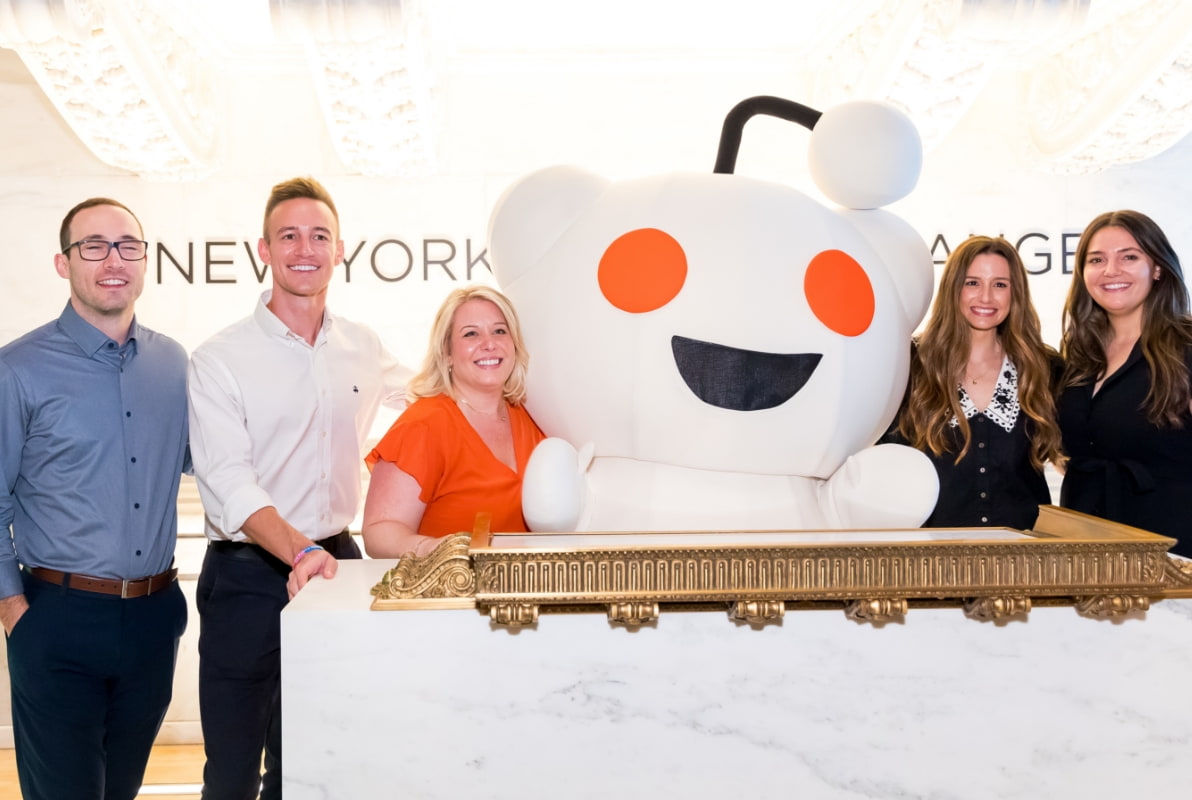
The NYSE looks forward to welcoming more leading companies from around the world in 2026, growing our one-of-a-kind community and setting the pace for innovation on a global scale. We’re endlessly inspired by the people behind these companies, check out their stories below and let’s make something happen together.

Going public


What does it take to go public? Ryan Hinkle draws on twenty years of investing at Insight Partners, one of the most prolific global software investors, and shares his advice for SaaS startups preparing to go public.

Making their mark


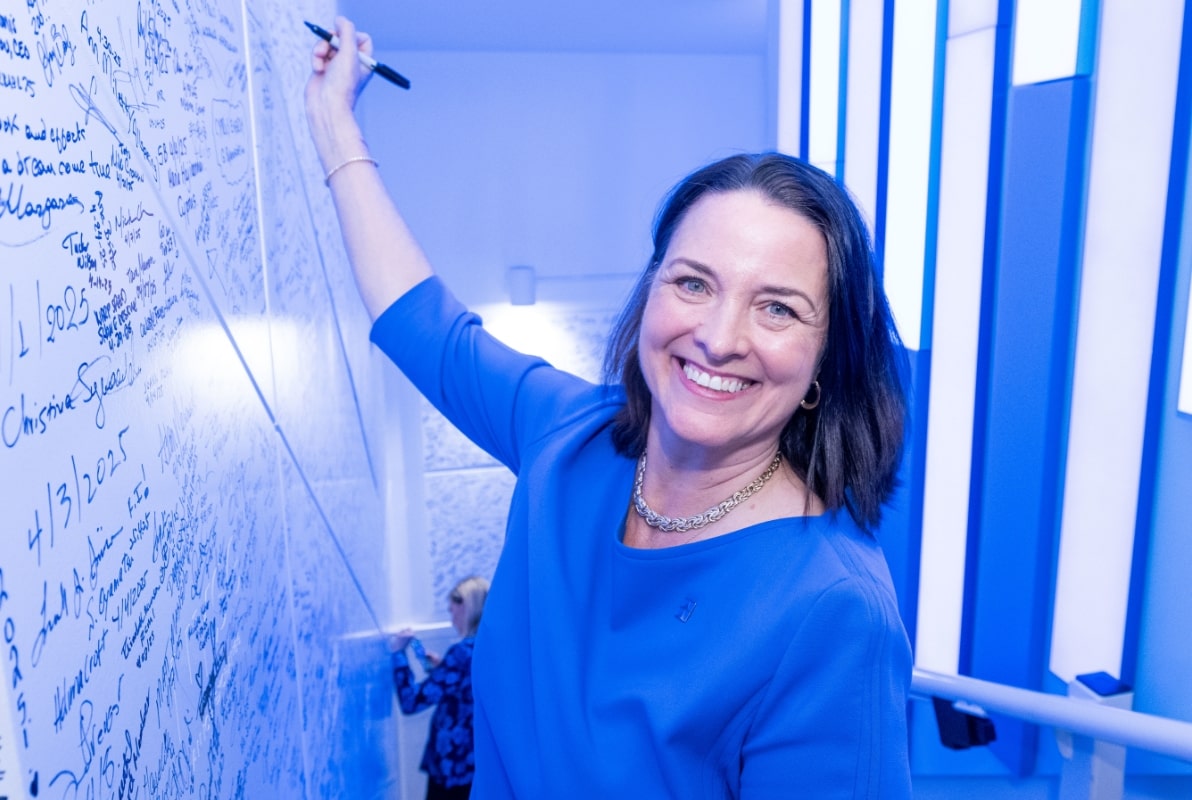
Entrepreneurs come to the NYSE to realize their ideas and change the world. We teamed up with 3M’s Post-it® Brand to encourage future leaders visiting our building to take a step toward making their goals and dreams happen. Watch as interns from Life Science Cares’ Project Onramp make their mark.

desi doodh wali

The Cure(ious)™


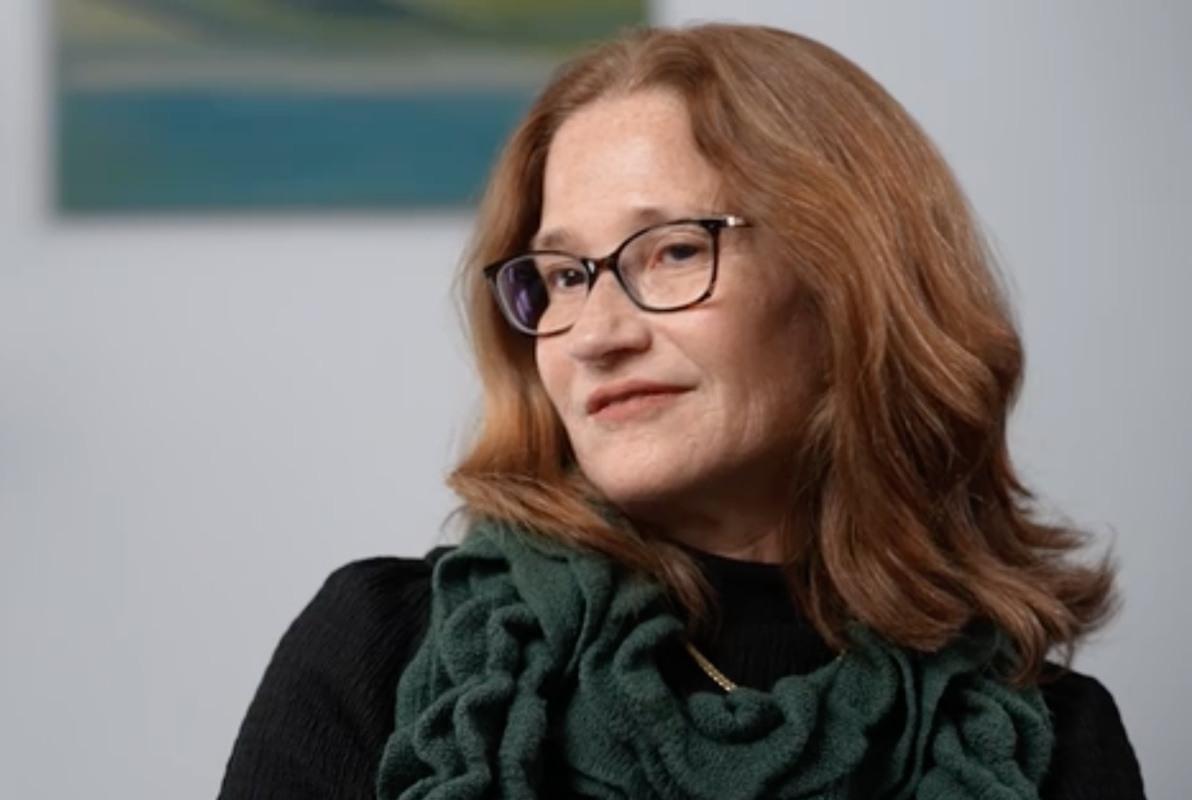
We asked some of the most curious minds in life sciences and healthcare to share thoughts on their careers, the future of health and more. Each participant drew questions and shared their insights, knowledge and some personal fun facts that left us inspired about the future of health and wellness.

Get Inspired

Desi Doodh Wali -

Please visit this URL to review a list of supported browsers.

Desi Doodh Wali -

One of the primary reasons people continue to seek out their local doodh wali is the promise of "desi" quality. In the South Asian context, "desi" implies something indigenous, organic, and untouched by industrial processing. When a household buys milk directly from a doodh wali, they are often looking for raw, whole milk—rich in cream and free from the homogenization and long-term preservatives found in commercial brands. This milk is prized for making traditional staples like thick curd (dahi), grainy clarified butter (desi ghee), and soft paneer, which never quite turn out the same with factory-processed milk.

Ultimately, the desi doodh wali is a guardian of a vanishing way of life. She represents a bridge between the village and the city, ensuring that even in the heart of a bustling metropolis, the taste of pure, farmhouse milk remains accessible. Her role is a testament to the enduring power of local traditions in an increasingly globalized world. desi doodh wali

In recent years, there has been a resurgence of interest in traditional dairy. As health-conscious consumers move away from highly processed foods, the demand for farm-to-table products has grown. The "desi doodh wali" fits perfectly into this movement. People are willing to pay a premium for milk that comes from grass-fed cattle and is delivered within hours of milking. One of the primary reasons people continue to

The term "desi doodh wali" literally translates to "local milkwoman." These women are often the backbone of the rural and semi-urban dairy economy. Every morning and evening, they can be seen navigating narrow lanes, often with heavy metallic milk cans (dhols) balanced on their bicycles or carried by hand. This labor-intensive profession is more than just a delivery service; it is a specialized trade that requires deep knowledge of cattle health, seasonal milk yields, and the delicate art of maintaining freshness in a tropical climate. This milk is prized for making traditional staples

The relationship between a family and their doodh wali is built on years of trust. Unlike the anonymity of a retail store, this is a personal bond. The milkwoman often knows the specific preferences of her customers—who needs extra cream for their morning chai and who prefers a leaner yield. In many neighborhoods, she is a familiar face who shares local news and becomes an extension of the community fabric.

The concept of the "desi doodh wali" is a timeless fixture of South Asian culture, representing a tradition of freshness, health, and community connection that has persisted for centuries. While modern supermarkets are filled with processed cartons and tetra packs, the presence of the traditional milkwoman remains a symbol of purity and a direct link to the pastoral roots of the Indian subcontinent.

However, the life of a desi doodh wali is far from easy. It involves grueling physical labor, starting long before dawn. They must manage the feeding and milking of buffaloes or cows, ensure the hygiene of their equipment, and then transport the milk quickly to ensure it doesn't spoil. Despite the rise of massive dairy cooperatives and app-based delivery startups, these women have carved out a niche by offering a level of freshness and personalization that technology cannot easily replicate.