Aa Bb Cc Dd Ee Ff Gg Hh
Ii Jj Kk Ll Mm Nn Oo Pp Qq
Rr Ss Tt Uu Vv Ww Xx Yy Zz
1 2 3 4 5 6 7 8 9 0
! @ # $ % ^ & * ( ) - _ =
+ [ ] { } ; : ' " < > , . / ?
Rockwell Regular
Aa Bb Cc Dd Ee Ff Gg Hh
Ii Jj Kk Ll Mm Nn Oo Pp Qq
Rr Ss Tt Uu Vv Ww Xx Yy Zz
1 2 3 4 5 6 7 8 9 0
! @ # $ % ^ & * ( ) - _ =
+ [ ] { } ; : ' " < > , . / ?
Rockwell Bold
B
Aa Bb Cc Dd Ee Ff Gg Hh
Ii Jj Kk Ll Mm Nn Oo Pp Qq
Rr Ss Tt Uu Vv Ww Xx Yy Zz
1 2 3 4 5 6 7 8 9 0
! @ # $ % ^ & * ( ) - _ =
+ [ ] { } ; : ' " < > , . / ?
Rockwell Italic
Aa Bb Cc Dd Ee Ff Gg Hh
Ii Jj Kk Ll Mm Nn Oo Pp Qq
Rr Ss Tt Uu Vv Ww Xx Yy Zz
1 2 3 4 5 6 7 8 9 0
! @ # $ % ^ & * ( ) - _ =
+ [ ] { } ; : ' " < > , . / ?
Rockwell Bold Italic
Anatomy
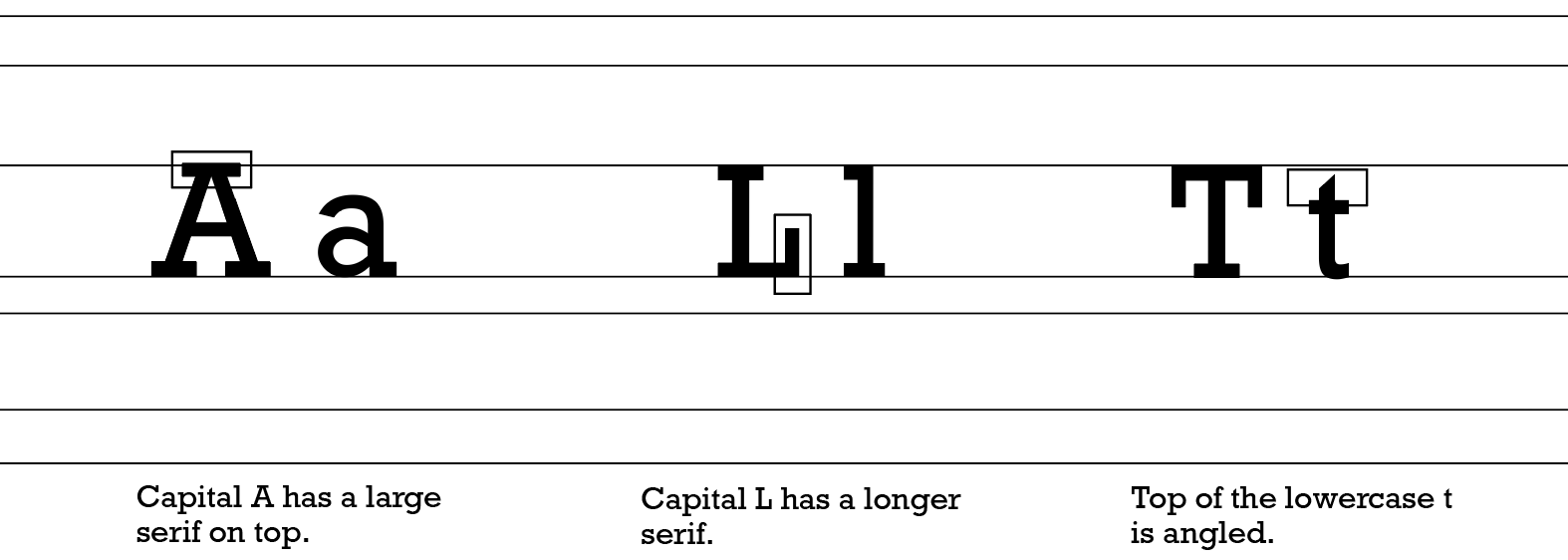
This sturdy typeface has its roots based in geometry. The type is comprised of simple shapes such as circles and straight, angular lines. Despite a rather mechanical formula, the typeface does not feel cold or harsh. The wider lettering and curves from circular shapes allow for a warm and friendly impression to this typeface. The type is a slab-serif typeface that showcases blunt and consistent serifs. Speaking of consistency, the typeface is a monotype which indicates the same line thickness throughout. A notable characteristic of this typeface is the unique slab serif on the top the A.
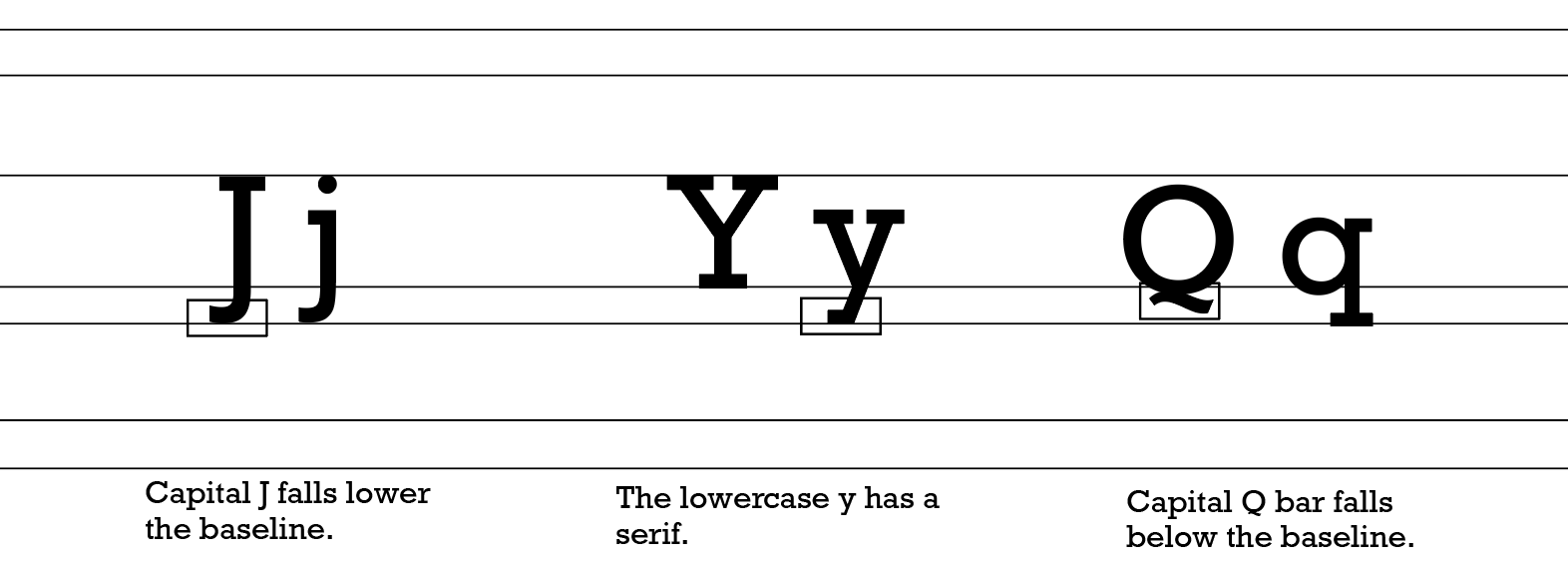
Other interesting features include the slant on top of the lowercase t and the curved tail of the Q rather than one that is straight across. Within the Rockwell Nova type family there is a wide selection of fonts. These fonts include Rockwell Nova Regular, Rockwell Nova Light, Rockwell Nova Light Italic, Rockwell Nova Italic, Rockwell Nova Bold, Rockwell Nova Bold Italic, Rockwell Nova Extra, Bold Rockwell Nova Extra Bold Italic, Rockwell Nova Condensed, Rockwell Nova Condensed Light, Rockwell Nova Condensed Light Italic, Rockwell Nova Condensed Italic, Rockwell Nova Condensed Bold, and Rockwell Nova Condensed Bold Italic.
R
InUse
L
College Mms Desi ((install)) Direct
Traditional Indian cooking is deeply rooted in Ayurveda. Spices like turmeric, cumin, and ginger aren't just for flavor; they are medicinal staples used to balance the body's energies.
Gen Z and Millennials are currently spearheading a "fusion" movement—pairing hand-loomed ethnic fabrics with Western silhouettes like jeans or blazers. This "Indo-Western" style reflects a generation proud of its roots but global in its outlook. 6. The Modern Indian Lifestyle: The Digital Shift
Indian culture is not a static museum piece; it is a living, breathing entity. It is a land where cows roam freely near high-tech IT hubs and where the latest pop music plays alongside the ancient echoes of a Sitar. To embrace the Indian lifestyle is to embrace contradictions, vibrant colors, and an unwavering sense of hope. college mms desi
The most defining characteristic of Indian culture is its pluralism. India is home to nearly every major religion in the world, hundreds of languages, and thousands of dialects. Yet, a shared "Indianness" binds the population. This lifestyle is built on the Vedic philosophy of Vasudhaiva Kutumbakam —the world is one family. 2. The Social Fabric: Family and Community In India, life is rarely lived in isolation.
There is a growing movement back to "slow living." Young Indians are rediscovering traditional crafts, organic farming, and sustainable fashion, bridging the gap between ancestral wisdom and modern environmentalism. Conclusion
Eating is considered a sacred act. In many traditional homes, sitting on the floor and eating with the right hand is still practiced to foster a connection with the food. 4. Spiritual Wellness and Mindful Living
With one of the world's largest smartphone-user bases, daily life in India—from ordering groceries to finding a life partner—happens on apps.