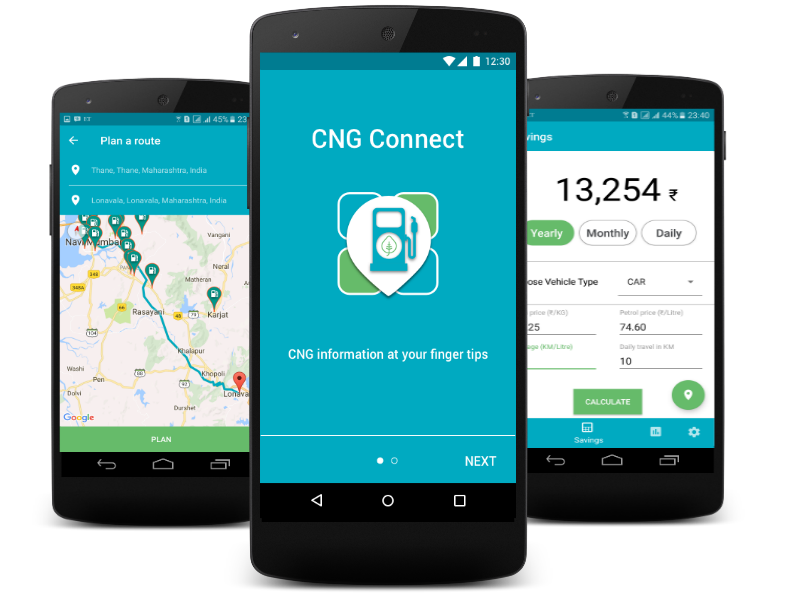
Download the app
Just click on the below buttons to download our app !
This allows you to manually curate the grid. If the "mostvisited9" algorithm isn't picking the right sites, switching to manual mode lets you pin exactly what you need.
The Google Chrome "New Tab" page has long been the digital front door for millions of internet users. However, recent technical shifts—specifically regarding the "mostvisited9" internal identifier—have sparked a wave of curiosity and troubleshooting. If you have noticed changes in how your shortcuts appear or have seen references to "mostvisited9 updated" in your browser's code or flags, you are seeing the results of Google’s push toward a more dynamic, AI-driven browsing experience.
For years, the most visited section was a simple tally of your local history. The updated "mostvisited9" logic moves away from raw click counts toward "relevance scoring." Chrome now considers: Recency of use over total lifetime clicks.
If the new "mostvisited9" update has shifted your favorite icons, you can regain control without deep-diving into code. The current version of Chrome offers a "Customize Chrome" button (the pencil icon) in the bottom right corner of the New Tab Page. Under the "Shortcuts" menu, you have two primary options:
The term "mostvisited9" refers to a specific layout configuration within Chrome’s internal framework for the New Tab Page (NTP). Historically, Chrome allowed for a grid of frequently visited sites, but as the browser evolves into a personalized hub, the "updated" version of this system changes how these tiles are ranked, displayed, and synced across devices. Why the "Most Visited" Logic Changed
This enables the updated algorithmic approach. If you find this inaccurate, clearing your browsing history often "resets" the mostvisited9 weighting, allowing the browser to relearn your habits. Advanced Troubleshooting: Chrome Flags
Check out what CNG Eco Connect app has to offer you
Just click on the below buttons to download our app !
This allows you to manually curate the grid. If the "mostvisited9" algorithm isn't picking the right sites, switching to manual mode lets you pin exactly what you need.
The Google Chrome "New Tab" page has long been the digital front door for millions of internet users. However, recent technical shifts—specifically regarding the "mostvisited9" internal identifier—have sparked a wave of curiosity and troubleshooting. If you have noticed changes in how your shortcuts appear or have seen references to "mostvisited9 updated" in your browser's code or flags, you are seeing the results of Google’s push toward a more dynamic, AI-driven browsing experience. chrome newtab mostvisited9 updated
For years, the most visited section was a simple tally of your local history. The updated "mostvisited9" logic moves away from raw click counts toward "relevance scoring." Chrome now considers: Recency of use over total lifetime clicks. This allows you to manually curate the grid
If the new "mostvisited9" update has shifted your favorite icons, you can regain control without deep-diving into code. The current version of Chrome offers a "Customize Chrome" button (the pencil icon) in the bottom right corner of the New Tab Page. Under the "Shortcuts" menu, you have two primary options: The updated "mostvisited9" logic moves away from raw
The term "mostvisited9" refers to a specific layout configuration within Chrome’s internal framework for the New Tab Page (NTP). Historically, Chrome allowed for a grid of frequently visited sites, but as the browser evolves into a personalized hub, the "updated" version of this system changes how these tiles are ranked, displayed, and synced across devices. Why the "Most Visited" Logic Changed
This enables the updated algorithmic approach. If you find this inaccurate, clearing your browsing history often "resets" the mostvisited9 weighting, allowing the browser to relearn your habits. Advanced Troubleshooting: Chrome Flags