Cheat Token Ninja Saga Permanen With Fiddler Update 3 Agustus 2011 Link !full! [2K 2024]
Version: 2.2.15 (2020-12-05)
Windows 32-bit or 64-bit supported
Version: 2.2.15 (2020-12-05)
Windows 32-bit or 64-bit supported
Fiddler is a web debugging proxy tool that logs all HTTP(S) traffic between a computer and the internet. In August 2011, players discovered that by intercepting the "data packets" sent from the Ninja Saga client to the game server, they could manually alter the values of rewards earned from missions or daily tasks. The Famous "August 3, 2011" Update
While the thrill of finding a working link on August 3, 2011, was a peak experience for many "Shinobi," the developers eventually moved most sensitive data behind encrypted layers, ending the era of simple Fiddler swaps. Today, the game lives on through private servers and mobile iterations, but the wild west of 2011 Facebook exploits remains a nostalgic memory for many.
These modified files often visually increased token counts or allowed players to buy premium items for 0 tokens. The Risks of Using "Permanent" Token Links

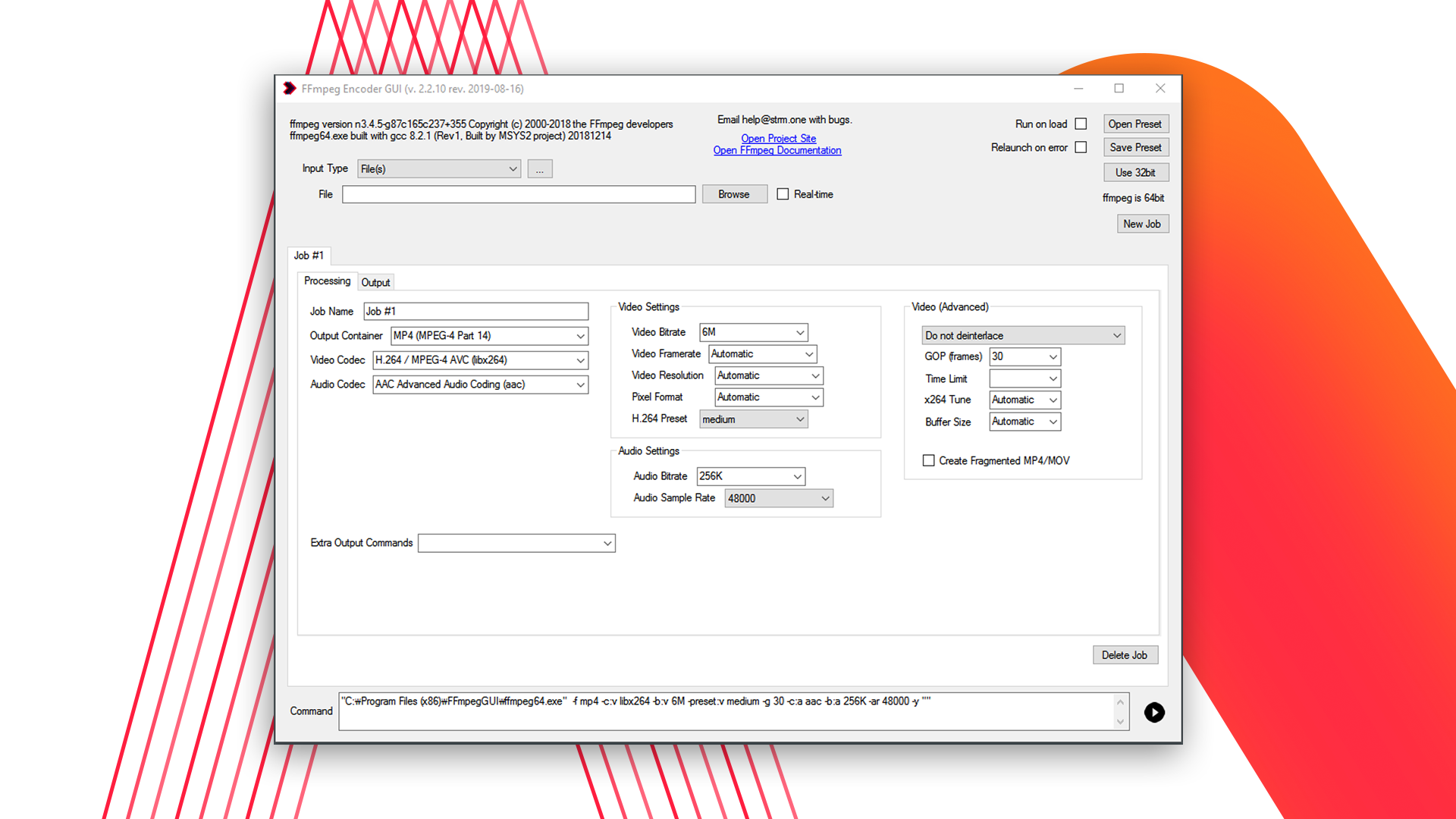
FFmpegGUI currently supports File, DirectShow, Blackmagic Decklink, NewTek NDI or URL inputs.
Drag and drop your file(s) from your system to be processed quickly.
Prompting to rename any input file(s) with non-ASCII filenames to be compatible with command-line processor. Fiddler is a web debugging proxy tool that
You can easily export your clip(s) to a file, NewTek NDI destination, RTMP server or any other custom output supported by FFmpeg.
The included FFmpeg is built with hardware encoding support for NVENC. GUI support is experimental at this time, feedback is welcome. Today, the game lives on through private servers
32-bit and 64-bit Windows binaries of FFmpeg included. Current binaries are based on version 3.4.5.
Save your encoding settings as file to be recalled later. Settings are formatted as an XML document. Fiddler is a web debugging proxy tool that
GUI project is developed by ffmpeg fans and distributed for any usage. Non-free codecs in the included FFmpeg build may have further restrictions.
Fiddler is a web debugging proxy tool that logs all HTTP(S) traffic between a computer and the internet. In August 2011, players discovered that by intercepting the "data packets" sent from the Ninja Saga client to the game server, they could manually alter the values of rewards earned from missions or daily tasks. The Famous "August 3, 2011" Update
While the thrill of finding a working link on August 3, 2011, was a peak experience for many "Shinobi," the developers eventually moved most sensitive data behind encrypted layers, ending the era of simple Fiddler swaps. Today, the game lives on through private servers and mobile iterations, but the wild west of 2011 Facebook exploits remains a nostalgic memory for many.
These modified files often visually increased token counts or allowed players to buy premium items for 0 tokens. The Risks of Using "Permanent" Token Links