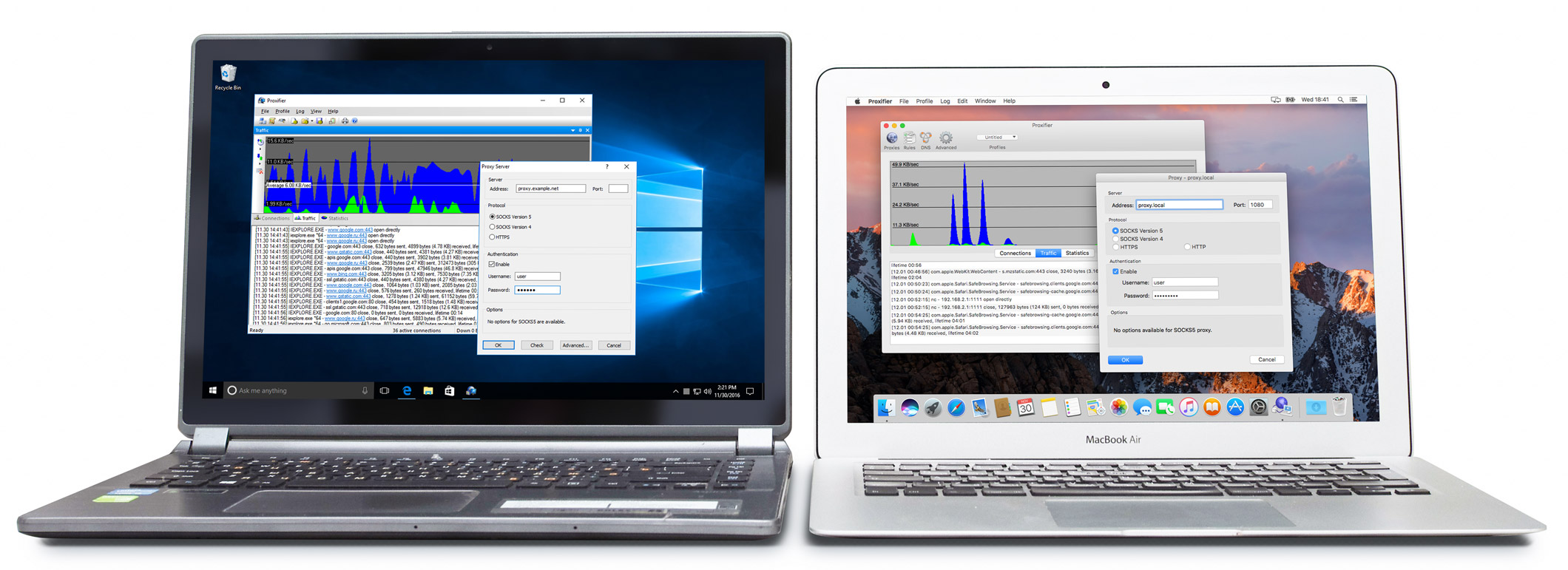
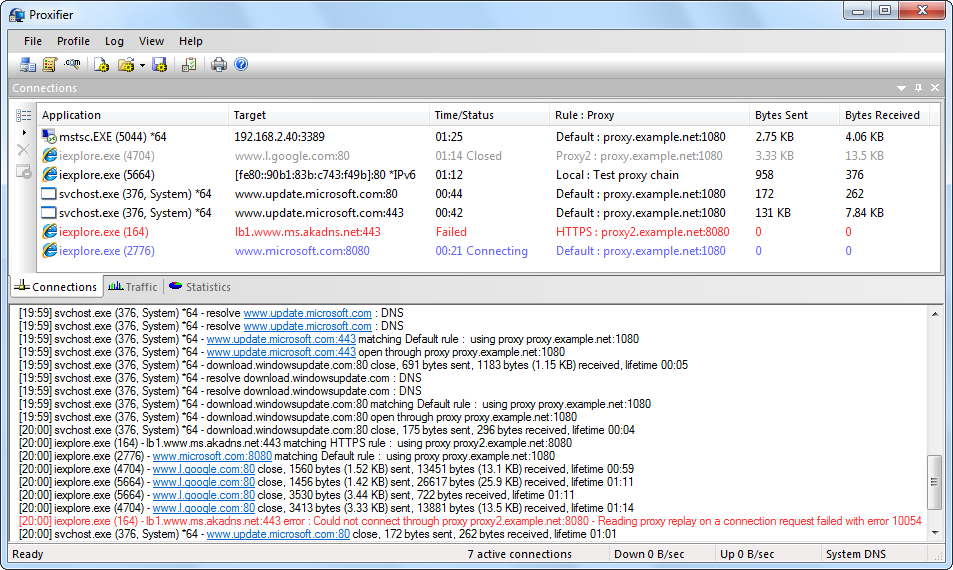
Redirect connections of any internet app (browser, email, database, game, etc.) through a proxy.

Control access to resources. Route all your connections through a single entry point. Update multiple configurations remotely from a single place. Asce 7-22.pdf

Route internet traffic through faster routes. ASCE 7-22, "Minimum Design Loads and Associated Criteria

Lightweight and flexible alternative to VPN. Tunnel your connections through encrypted channels. " introduces significant updates

Use a proxy as a gateway for your internet activities.

Assign different proxies or chains to different connections using the rule-based system.
Proxifier is always up to date with the latest OS versions of Windows, macOS and Android.
IPv6, HTTP(S), SOCKS, DNS via Proxy, Proxy Checker, NTLM, Windows Service, XML Config, Proxy Redundancy.
Native C++ app. No third-party dependencies. Installer size is 4 MB.
Transparent handling of connections on the system level. Best-in-class compatibility with third-party apps.
ASCE 7-22, "Minimum Design Loads and Associated Criteria for Buildings and Other Structures," introduces significant updates, including a shift to digital hazard maps, enhanced snow load criteria, and the first-ever chapter on tornado loads. Published by the American Society of Civil Engineers (ASCE), this standard is essential for modern, risk-informed structural engineering and aligns with the 2024 International Building Code. The new provisions regarding tornado loads and updated seismic parameters, reflecting the latest USGS data, aim to increase structural resilience against environmental hazards. The official document is available through the ASCE Library.
ASCE 7-22, "Minimum Design Loads and Associated Criteria for Buildings and Other Structures," introduces significant updates, including a shift to digital hazard maps, enhanced snow load criteria, and the first-ever chapter on tornado loads. Published by the American Society of Civil Engineers (ASCE), this standard is essential for modern, risk-informed structural engineering and aligns with the 2024 International Building Code. The new provisions regarding tornado loads and updated seismic parameters, reflecting the latest USGS data, aim to increase structural resilience against environmental hazards. The official document is available through the ASCE Library.